
When two semi-trucks collide on the highway, the consequences can be catastrophic. The sheer size and weight of these vehicles mean that when something goes wrong, the results are often tragic. These accidents impact not only the drivers involved but also their families, friends, and communities. In this blog post, we will explore what makes these crashes so hazardous and how our firm can help if you or a loved one has been involved in such an accident. We aim to provide valuable information and guidance during this difficult time.
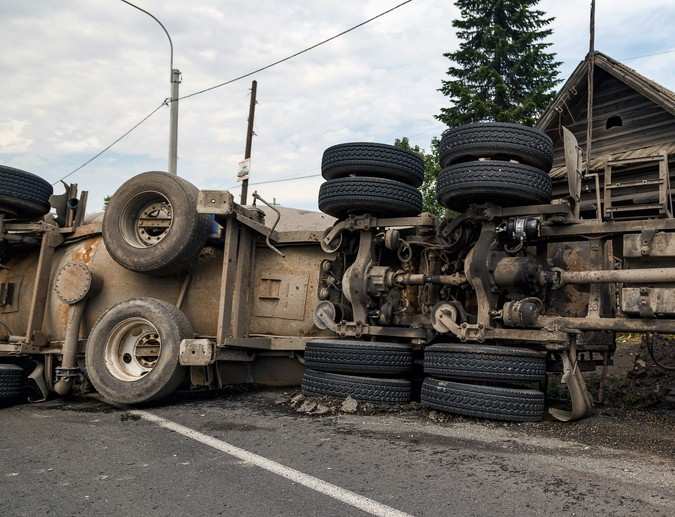
The Physics of a Truck v. Truck Collision
To understand why truck v. truck accidents are so dangerous, it is important to consider the physics involved. A fully loaded semi-truck can weigh up to 80,000 pounds. When two of these behemoths collide, the force of the impact is immense. This is due to the principle of momentum – the heavier an object is, and the faster it is moving, the more momentum it has. When the momentum of two trucks is suddenly halted in a crash, that energy has to go somewhere. Unfortunately, it often results in severe damage to the vehicles and serious injuries to the occupants. The crushing impact and flying debris can cause life-altering harm in a matter of seconds.
Another factor that contributes to the severity of truck v. truck accidents is the height difference between the vehicles. Semi-trucks sit much higher off the ground than passenger cars. This means that in a collision, a smaller vehicle can actually slide underneath the trailer of a truck, a phenomenon known as an underride accident. These crashes are often fatal for the occupants of the smaller vehicle. Even in truck v. truck accidents, the height difference can cause one truck to penetrate the cabin of the other, leading to devastating consequences for the driver.
Unique Challenges of Truck v. Truck Accidents
In addition to the physics involved, there are several other factors that make truck v. truck accidents particularly challenging:
- Extensive damage: The force of a collision between two trucks often results in extensive damage to the vehicles. This can make it difficult to determine the cause of the accident and assign liability.
- Multiple liable parties: In a truck accident, there may be multiple parties who share liability. This could include the truck drivers, the trucking companies, the loading company, or even the manufacturer of a faulty part. Navigating this web of liability requires the skill of an experienced truck accident attorney.
- Federal regulations: The trucking industry is heavily regulated by federal agencies. This means that in the aftermath of an accident, there are many rules and regulations that must be considered.
- Severe injuries: The injuries sustained in a truck v. truck accident are often severe and life-altering. This can result in extensive medical bills, lost wages, and a long road to recovery.
The Role of Cargo in Truck vs. Truck Collisions
The cargo carried by commercial trucks significantly amplifies the dangers of truck vs. truck accidents. Hazardous materials including flammable liquids, corrosive chemicals, and explosive substances create catastrophic risks when trucks collide. According to the Pipeline and Hazardous Materials Safety Administration, thousands of hazardous material incidents occur annually during transportation, with collisions representing a major cause.
When improperly secured cargo shifts during impact, it can crush vehicle cabins, spill onto roadways creating secondary accidents, or ignite fires that engulf multiple vehicles. Even non-hazardous cargo like steel coils, lumber, or machinery becomes deadly when dislodged at highway speeds. The weight distribution of loaded trailers also affects how trucks respond during collisions, top-heavy loads increase rollover risks, while unevenly distributed weight causes unpredictable vehicle behavior during emergency maneuvers.
Attorneys investigating jackknife accidents and big rig collisions examine cargo loading records, securing procedures, and weight distribution documentation to identify all responsible parties, which may include shipping companies and loading facilities beyond just the drivers and trucking companies.
Environmental Factors Unique to Commercial Trucking Routes
Truck vs. truck accidents frequently occur on specific highway corridors where commercial traffic concentrates. Interstate highways with steep grades, sharp curves, or areas prone to high winds create heightened collision risks when two massive vehicles travel in proximity. Weather conditions affect trucks differently than passenger vehicles. Crosswinds can push trailers into adjacent lanes, rain reduces already-limited braking capacity, and fog eliminates the extended visibility truckers need to react safely.
The Federal Motor Carrier Safety Administration tracks accident patterns showing that certain geographic areas experience disproportionate rates of severe truck collisions. Mountain passes where trucks struggle with elevation changes, construction zones with lane restrictions, and merge points where trucks compete for limited space all contribute to truck vs. truck accident frequency and severity.
The Long-Term Impact on Surviving Truck Drivers
While discussions often focus on physical injuries, truck vs. truck accidents create profound psychological trauma for surviving drivers. Professional truck drivers who experience catastrophic collisions may develop post-traumatic stress disorder, anxiety about returning to driving, or survivor’s guilt when colleagues perish. These psychological injuries can end careers, destroy livelihoods, and require extensive treatment.
The financial consequences extend beyond immediate medical needs. Truck drivers who can no longer operate commercial vehicles lose their primary income source and may lack transferable skills for alternative employment. Attorneys handling fatal truck accidents recognize that compensation must address both physical and psychological injuries, lost earning capacity, and the comprehensive support survivors need to rebuild their lives after these devastating collisions.
How Ruhmann Law Firm Can Help
If you have been involved in a truck v. truck accident, it is essential to have a knowledgeable advocate on your side. The attorneys at Ruhmann Law Firm have extensive experience handling these complex cases. We understand the unique challenges involved and know how to build a strong case on your behalf. Our team is dedicated to fighting for the rights of accident victims and their families.
When you work with our firm, we will:
- Thoroughly investigate the accident to determine liability, gathering evidence from the scene, witnesses, and expert analysis
- Work with accident reconstruction specialists to build a strong case that demonstrates how the accident occurred and who is at fault
- Handle all communication with insurance companies and other parties, protecting your rights and ensuring that you are not taken advantage of during this vulnerable time
- Fight for the full and fair compensation you deserve, including medical expenses, lost wages, pain and suffering, and more
We understand that no amount of financial recovery can undo the trauma of a serious accident. However, we believe that holding negligent parties accountable and securing the resources you need for your recovery is a critical step. You should not have to bear the burden of someone else’s recklessness on your own.
Contact Ruhmann Law Firm Today
If you have been involved in a truck v. truck accident, do not hesitate to seek legal counsel. The sooner you involve an attorney, the better they can protect your rights and build your case. At Ruhmann Law Firm, we offer free consultations to discuss your case. Contact us today to learn more about how we can help.